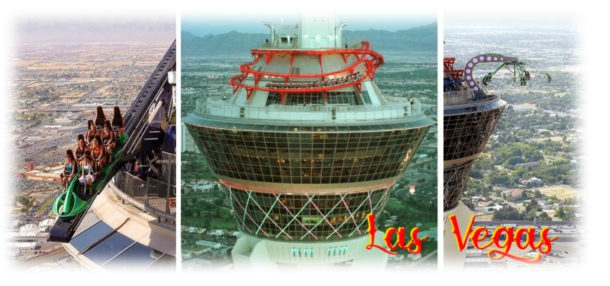
 There stays a common disposition among the people for Vegas as they totally mix the place with gambling and gambling only. As a result of that those who do not have interests in gambling do not visit the place. But the truth is that Las Vegas is truly extraordinary and there are certain things that can be done other than Casino matters as well. Still if you are a casino lover then you can enjoy it online on the go with Betfair New Jersey.
Grand Canyon Visit
There happens to be a number of companies that offer the tour options to the Great Grand Canyon. There are the day trips as well as the joint helicopter rides also that you can have there. Other than that there are also options for staying there as well.
Visiting the Hike Red Rock
The wonderful Red Rock Canyon happens to be a much visit for you if you make a trip to Vegas. There are roads from Vegas to the Canyon and in case you are a lover of the mountain and canyons, this is the best place for you to visit.
Enjoy the Time At the Hoover Dam
You can pay a visit to the world famous Hoover Dam when you visit to Las Vegas. Only an hour’s distance from Vegas, the place is worth a visit because of its scenic beauty as well as the museum that was there. For the History lovers this is a great place to be at.
Wonderful View of the Lake Mead
Just by the side of the Hoover Dam you will find the Lake Mead where you can spend your time without any kind of nuance. You can search online for more details of the place.
Have a Stay at the Boulder City
When you make a visit to the Hoover Dam you can also pay a visit to the famous Boulder City, its famous “Milos” restaurant and so on.
Mob Museum Visit
The past relics of bygone times when mob battles and crossfire between the criminals and law enforcements used to take place are present at the downtown Mob Museum.
Local Eateries
The dim restaurants of the Chinatown are also good places to gather up some experiences. With cheap and quality food items as well as fine atmosphere, these eateries are the perfect areas. Have a nice time with the world class cheap food items right here.
Pay a visit at the Fremont Street
The wonderful neon lit environment of the Fremont Street in the downtown part of Las Vegas is sure to stun you. The dim and the glitz along with the small bars and good cheap drinks are the perfect options for your stay there. So far entertainment is concerned; there are great options as well. You can also see the shark tank of the golden nugget there.
Other than that there are the places like the Shadow Creek Golf Course’s rolling hills when you can play golf, the Neon Museum, where you can have a look at the artifacts and collections of the long gone times of the first casinos also. Then there are the places like the Bonnie Springs and the art hubs like First Friday as well. With all these places to visit and be at, your Las Vegas visit would be perfect in every respect.
Vegas Info




 Archives